Finish Carpentry Help
Help with trim carpentry, tips and step by step guides
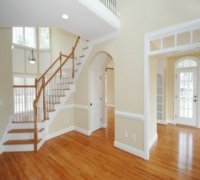
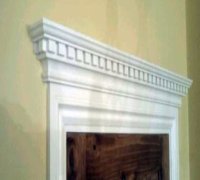
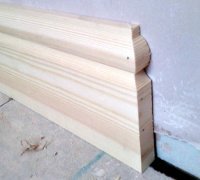
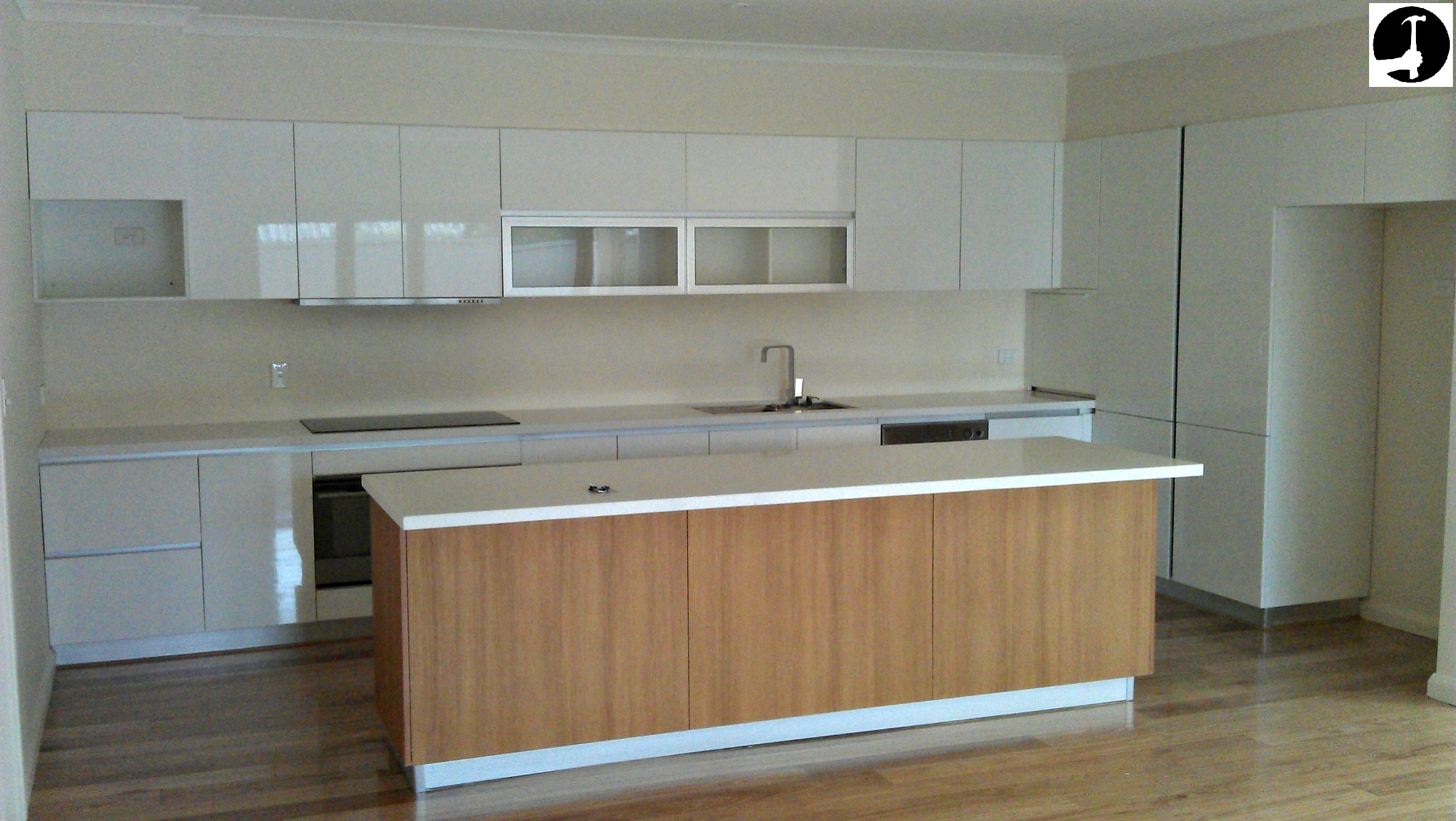
Click here to go straight to the finish carpentry jobs and how to guides added so farFinish carpentry, trim carpentry, 2nd fix – call it what you want. All the carpentry jobs that will be seen by the client such as fitting the Kitchen, hanging doors, installing Architrave, Skirting, Dado Rails and other decorative mouldings, plus fitting ironmongery like locks and latches all fall under 'Finish' / 'Trim' or 'second fix' Carpentry. It's my favourite part of the job and the one where attention to detail is most important. I've read loads of great trim carpentry books for as many hints, tips and ways round awkward situations as I can get my hands on, trying to perfect every aspect of my trim carpentry work. 
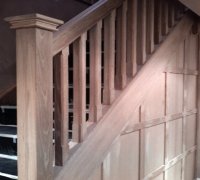
After the plasterers or dryliners have covered what was built during the framing carpentry, you'll need to be much more precise with joins, miters and scribes because everything involved in the finish carpentry stages needs to fit together perfectly. I always keep a really sharp pencil and make sure all my finish carpentry tools and cutting blades, like chisels for example are clean and razor sharp.Here are a few of the basics to remember when adding the finishing touches to your project; Measure, mark, cut and fix– These are the four skill areas that need to be mastered. Only one needs to be slightly out to cause a mistake. Click here for help reading a tape measure and getting accurate measurements. Attention to detail – Its all in the details. Not only does everything have to fit perfectly but also be pleasing to the eye as well. Finish carpenters develop a keen 'chippies eye' for both proportion and making sure things sight through and line up perfectly. Sometimes things aren't always perfect and you will need to decide whether it's better to install timber parallel or not – even if that means it will be out of square or level. This is because it’s the lesser of two evils, the eye would notice it more if it were level but out of parallel than it would the other way. Other times, you will need to ‘split the difference’ and go somewhere in between. Whichever looks best to the eye! This is why the framing carpentry needs to be done well, otherwise it leads to more work and headaches during the finishing stage. Sharp tools – In order to achieve a perfect finish, all trim carpentry tools need to be kept in good condition and with razor sharp blades. Chisels, saws, planes etc all need perfect cutting edges. Click here for chisel sharpening tips. Secret fixing – Extra thought is required before fixing anything in place to ensure that any visible fixings are kept to a minimum and where possible it’s difficult to see how things are in fact fixed. Nail heads need to be punched under the surface and screws need to be pre-drilled and countersunk to prevent splitting the work piece. If possible, drill pilot/clearance holes and fill them with wooden pellets instead of using filler. All joints like mitres need to be stuck with wood glue. Click here to see the contents of my finish carpentry fixings tray that I keep all my screws nail and more in. Scribing – Mouldings etc when cut won’t necessarily fit tightly against one another or to the wall/floor and will often need to be ‘scribed in’. This extra fine-tuning makes the difference between neat, busy carpenters and rough ones. No visible end grain – End grain should rarely be seen! That’s what mitres and decorative mouldings are for. There are a few exceptions, in some structural instances there is no choice - like tenons used on doors and dowels in staircase construction. But, wherever possible hide it! There's tips for cutting a return mitre to end decorative moudings and hiding the end grain here. Instructions for some of the jobs involvedBelow are links to step by step instructions, tips and techniques for some of the most common finish carpentry tasks. Hanging doorsSome doors need two hinges, others three or four. Flush hinges or chopped in? Doors such as fire check ones will need extra bits like intumescent strips and door closers. Click above for more information about hanging doors, here for step by step instructions, or here for help adjusting a door for a better fit. Fitting the Door latches, Handles and Door stopsOnce the doors are fitted the ironmongery such as latches locks and handles can be fitted. The doorstops can't go on until they're fitted, click above for more information. Architrave/door casingArchitraves (or 'door casing') moulding is fitted next in order to cover the join between the door lining and wall. Click above for some of the types available, bisecting angles and step by step instructions. If you don't want traditional mitred corners fit corner blocks like these instead. Plinth blocksPlinth blocks are used when the skirting is thicker than the architrave, or as in my house just an extra decorative feature. Skirting/BaseboardsThe Skirting boards are cut round next as they butt into the architraves at the doorways. Even when laying a wooden or laminate floor it's good practice if practical to cut the skirting boards round and set them aside for later. Click above for more tips on cutting, scribing and fixing skirting boards. Building shelvesFinish Carpentry also includes making and installing storage shelves. There are lots of different types like alcove shelves,slatted shelves in an airing cupboard, floating shelves in kitchens for recipe books or ornaments/utensils and in studies for example too. Staircase carpentryAfter the staircase is installed, there is still a lot of finish work to do to complete the balustrade. Newel posts and half newels need to be fitted to take the hand rails. Once the hand rails are fixed you need to calculate how many you need and then evenly space the spindles.The staircase will likely have been fitted in the framing or first fix stage of the job. The spindles are fitted during the finishing stages and spacing them out evenly and so they satisfy the building regulations (spindles need to be less than 100mm apart at the widest point) is essential. There are several different ways to calculate this as well as the formula needed for calculating how many spindles are required, both exlained at the pages above. Kitchen / bathroom carpentry
After installing kitchen cabinets and bathroom vanity units you often need to box in pipe work. Generally I case in pipes with 9mm (3/8) plywood for vertical or horizontal casings but you can also use plasterboard or MDF. If radiator pipes go along the floor you might be able to use skirting to disguise them.Another carpentry job in the bathroom is building a framework under the bath and installing a panel. There are loads of different ways of making a bath panel such as tongue and groove, a panelling effect or even building it so it can be tiled. I always make them removeable in case the pipes need to be accessed later.
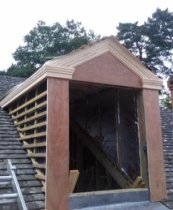
Corinthian style fasciasFinish carpentry also applies to the decorative finishing of dormers. Check out these fascias I did for a client.
Finish carpentry related pages
Framing carpentry
Return to carpentry tips and tricks home page
|